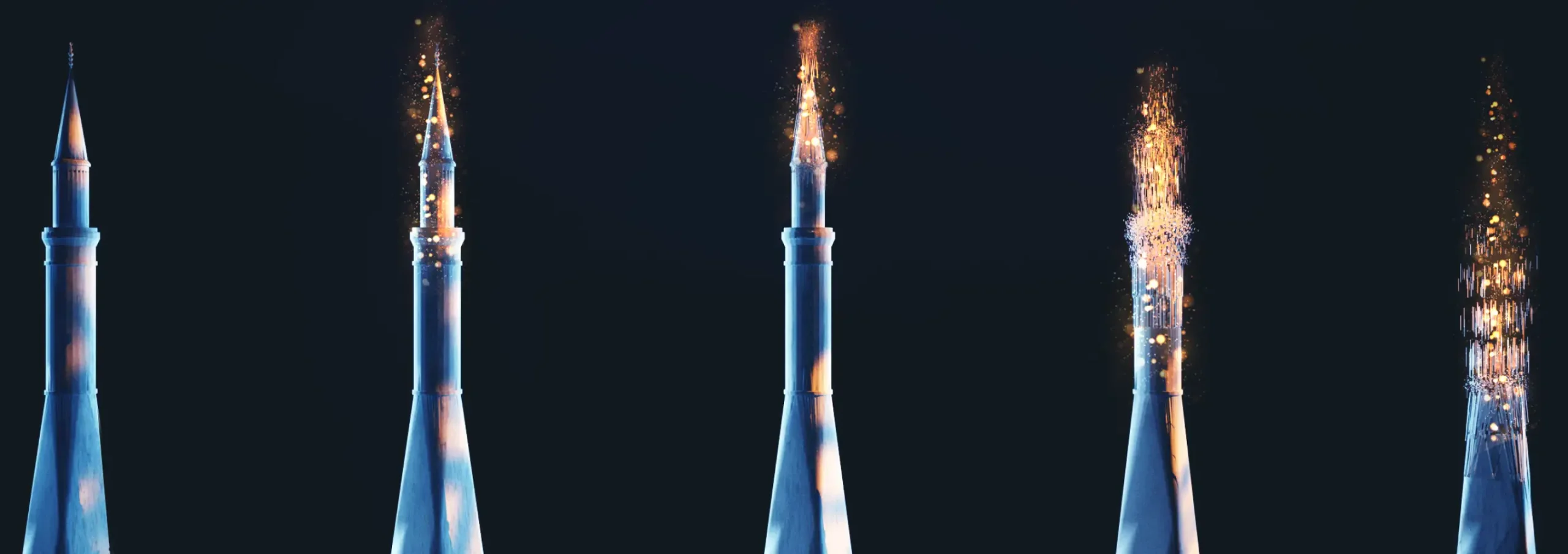
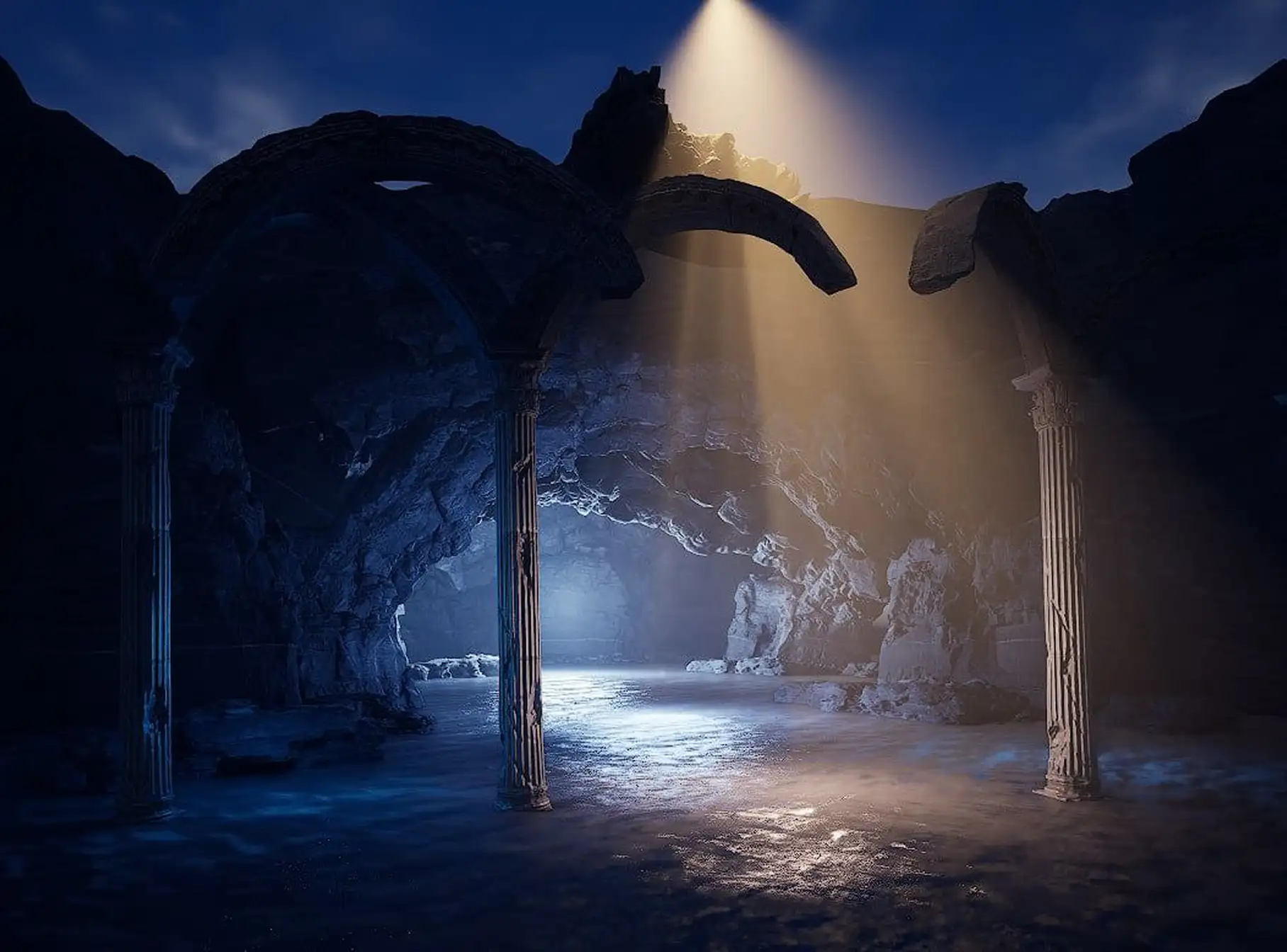
Medusa’s story comes to life in Istanbul’s Basilica Cistern through 3D mapping, laser shows, and immersive audiovisual storytelling.
Concept Design
Characters
Storyboard
3D Mapping
Show Content
Immersive Experience
Project Introduction
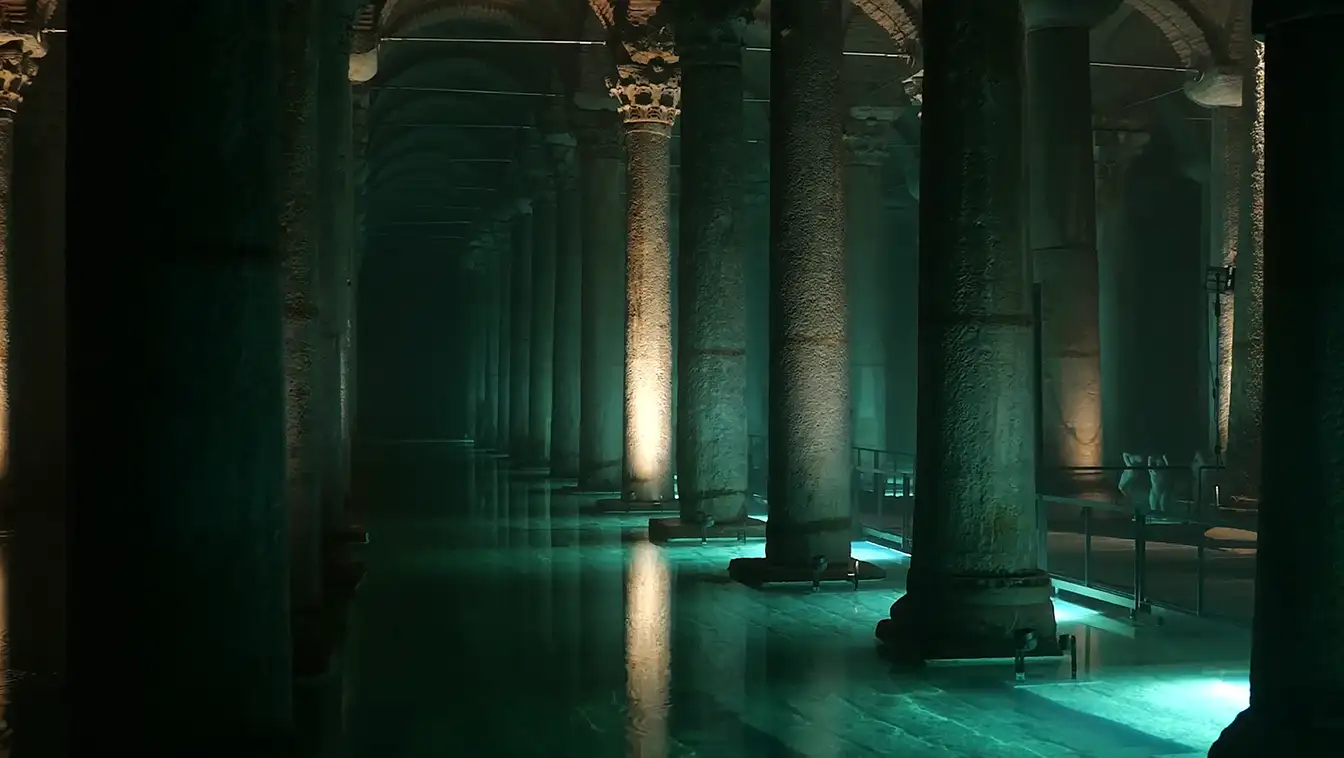
Yerebatan Sarnıcı, also known as the Basilica Cistern, is a large underground cistern located in Istanbul, Turkey. It was built in the 6th century during the Byzantine Empire by Emperor Justinian I to provide a water filtration system for the Great Palace of Constantinople.
The Yerebatan Sarnıcı is a spiritually significant location rich in history and symbolism. It was featured in pop culture works like Assassin's Creed: Revelations and Dan Brown's Inferno. Closed in 2017 for restoration, it reopened in 2022, and Naos Studio helped with the opening ceremony alongside Decol Studio.
Solution
Endless Corridors Through the Centuries
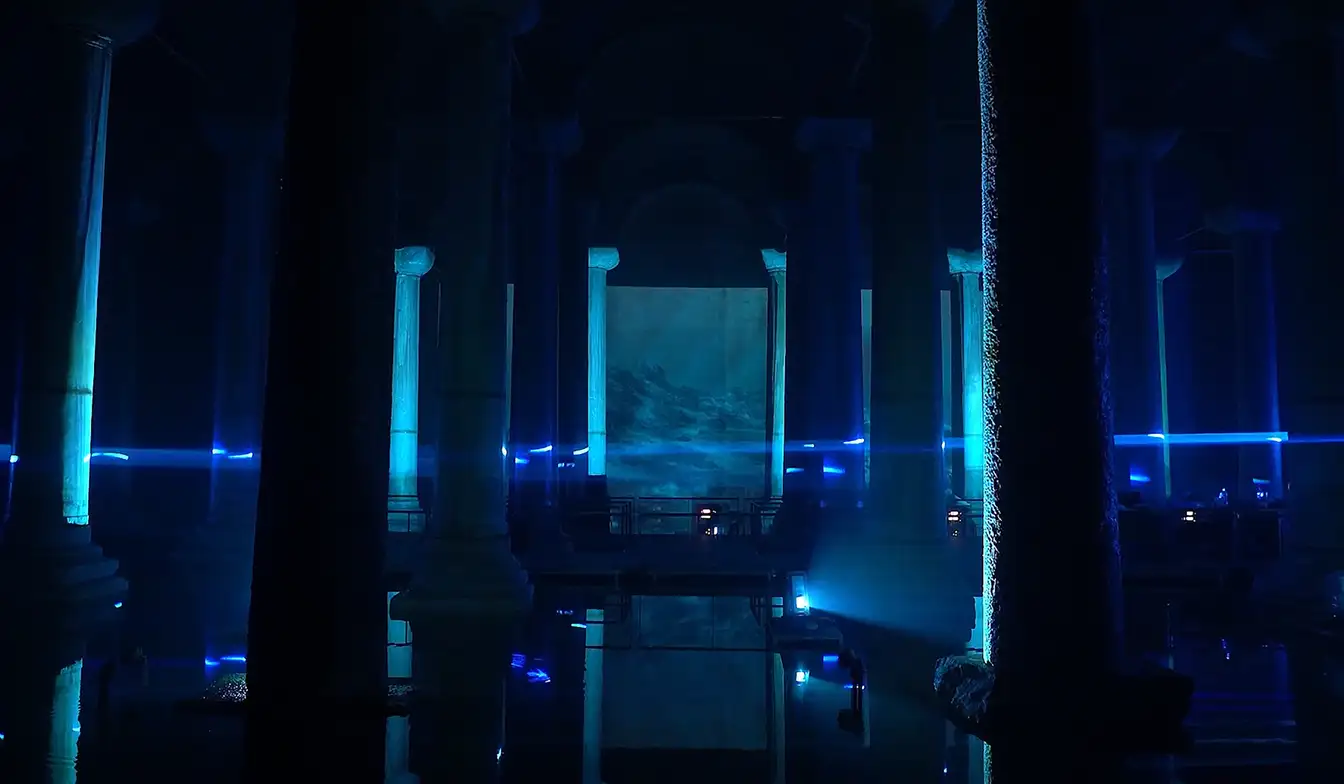
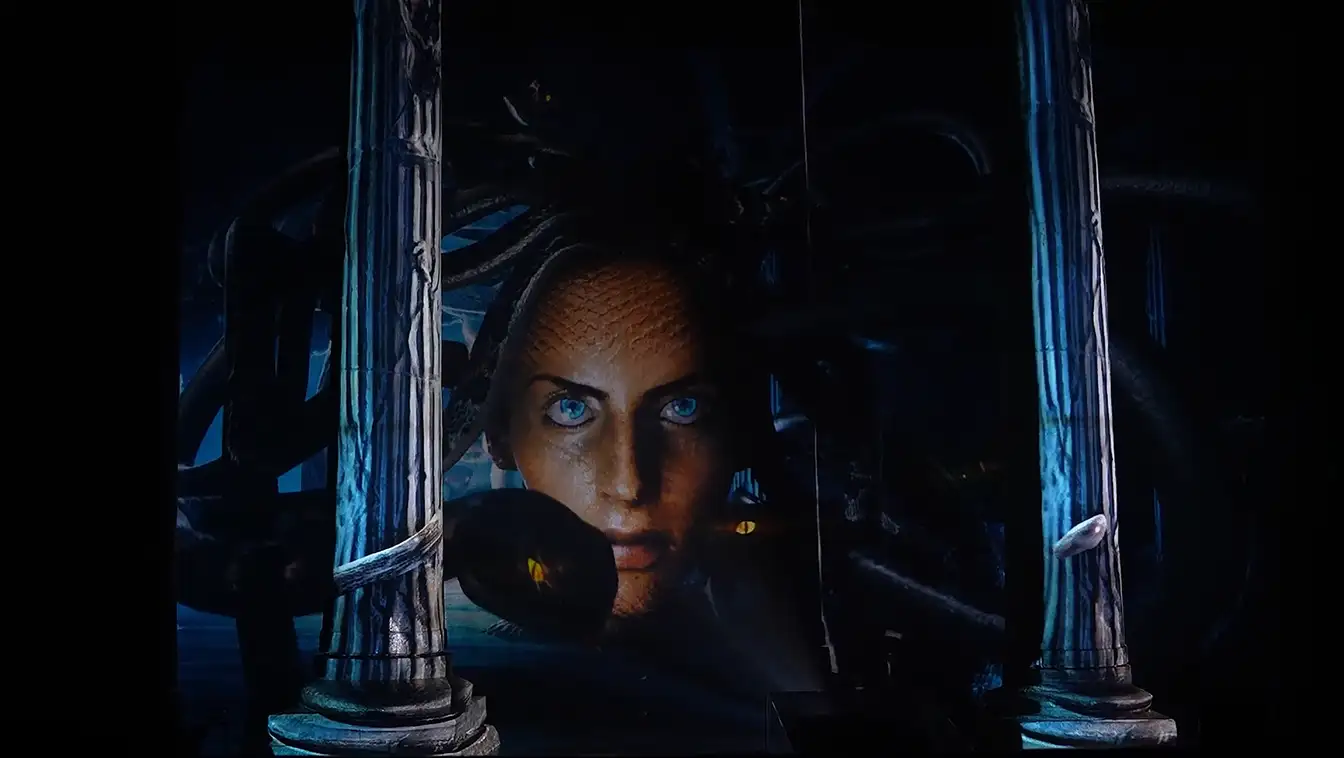
Beneath Istanbul’s surface, surrounded by still waters and ancient stone, columns of light emerged—each one animated with visual motifs drawn from the city’s layered past. This multimedia journey reimagined the cistern’s architectural rhythm, blending history and myth into a unified experience.
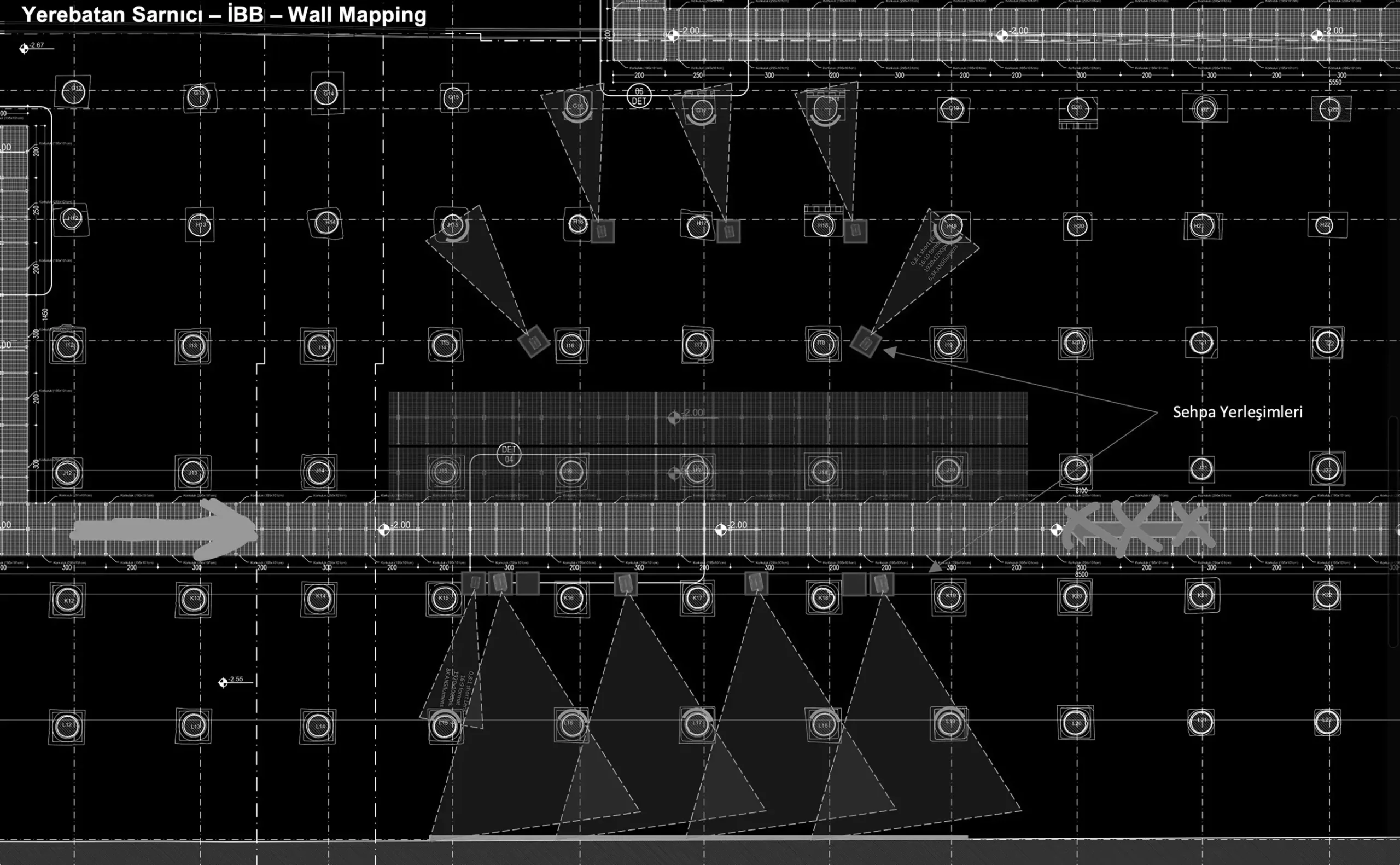
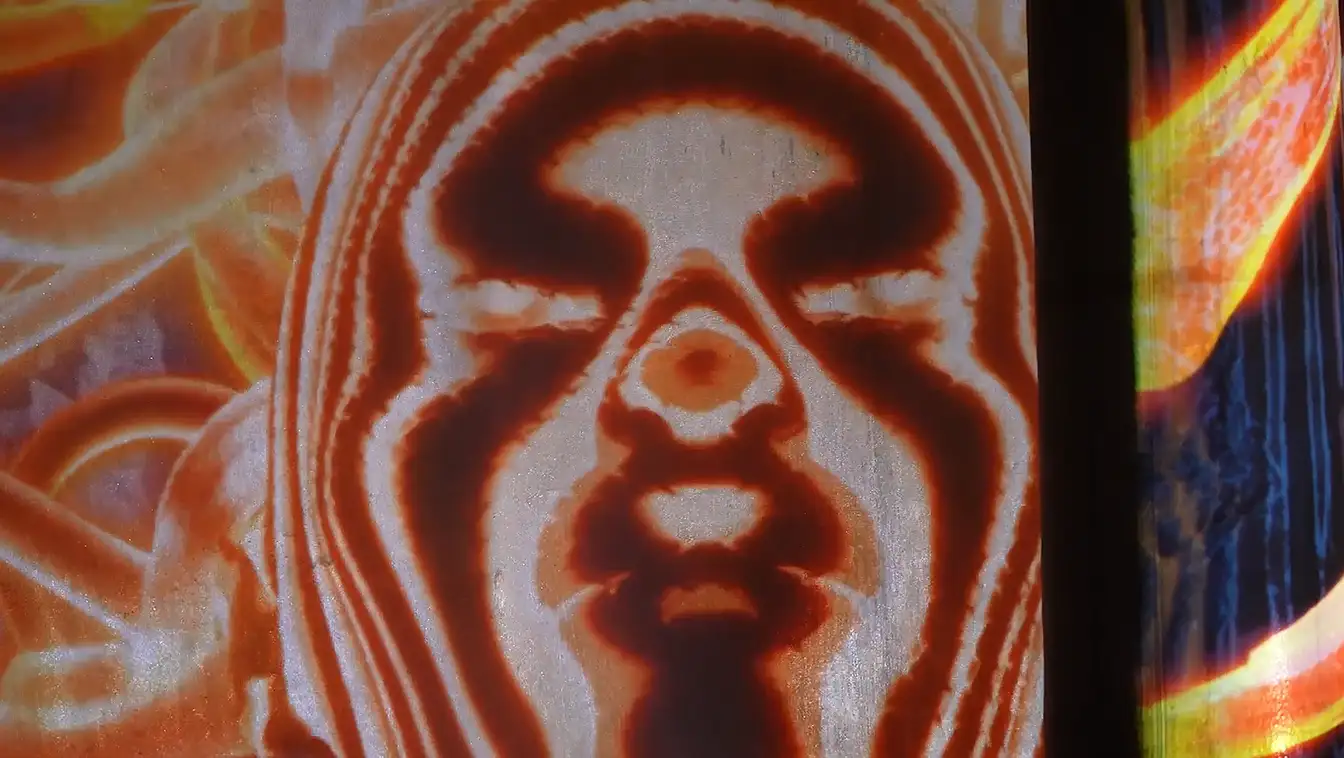
Through dynamic visuals and precise mapping techniques, we created a dialogue between digital art and heritage, showcasing how projection mapping beneath Istanbul can elevate cultural memory into an expressive, modern form of storytelling.
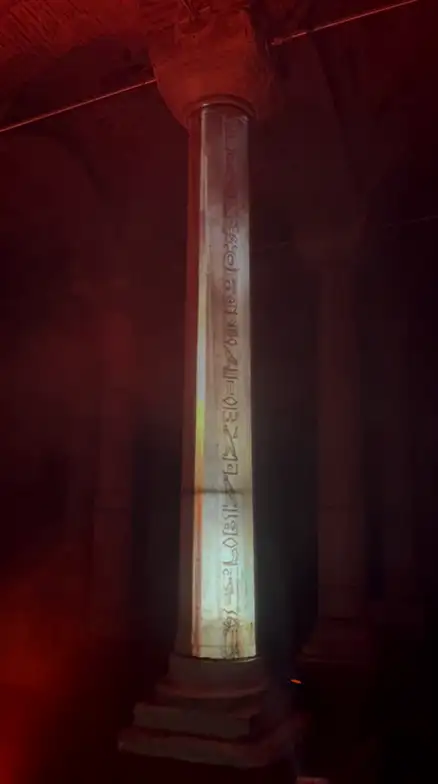
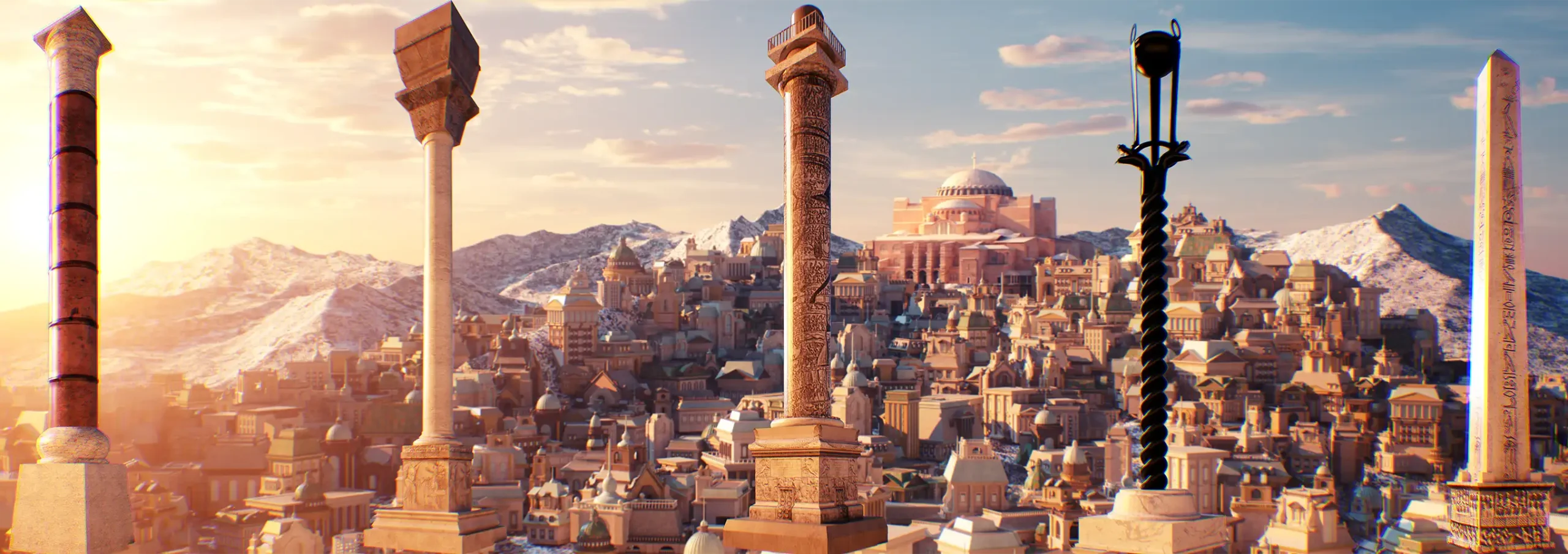
For the content segment of our show, we've developed a concept that explores depth of space and utilizes columns
as a unique visual element.
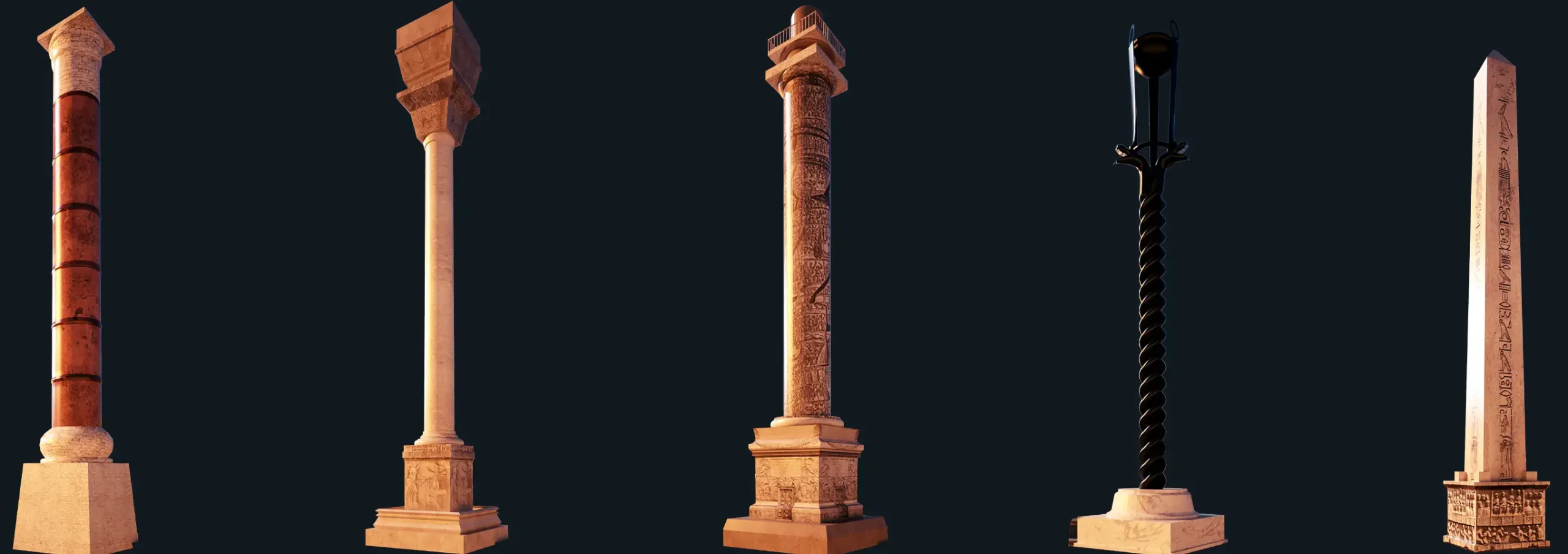
Throughout the show, these columns came to life and showcase key symbols of Istanbul's history and its most
iconic columns.
Diving into the History. Audio-Visual Immersive show
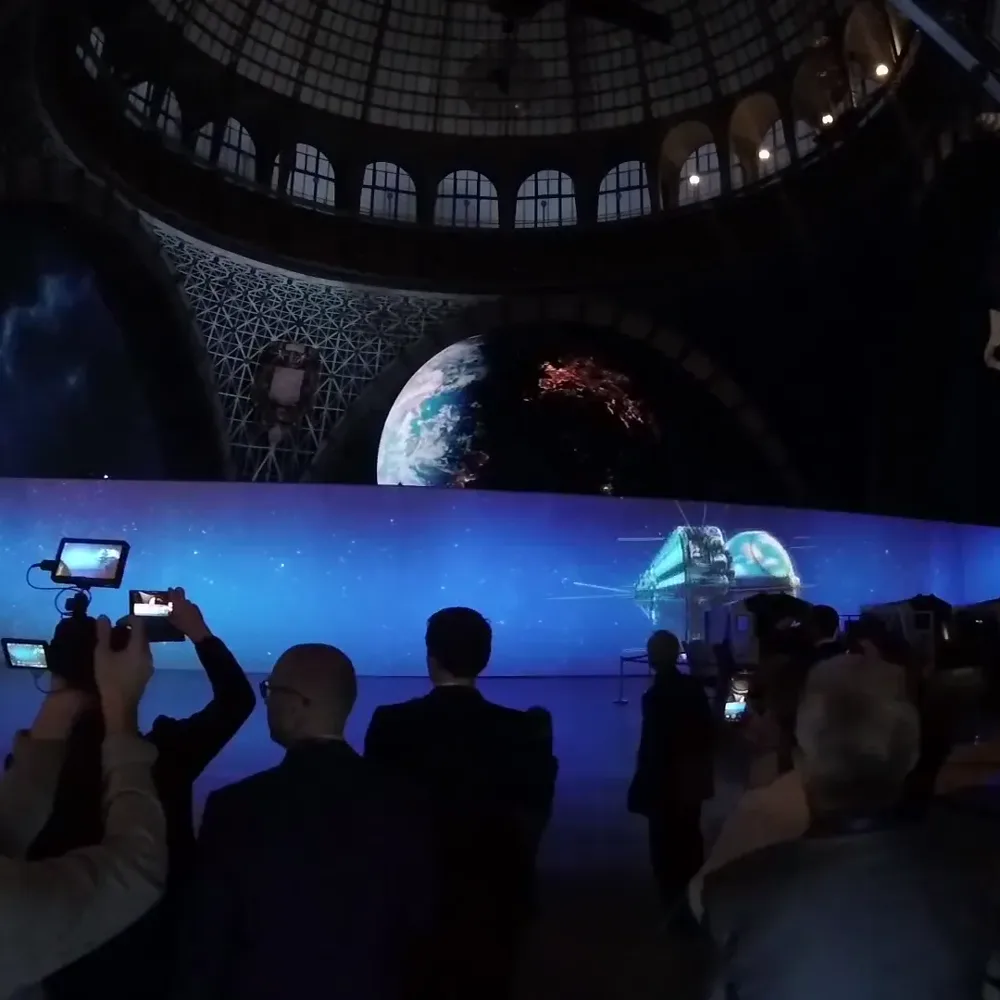
Decol Studio came to Naos Studio with a 20-minute show for the opening ceremony of the restored location and its tourist show program.
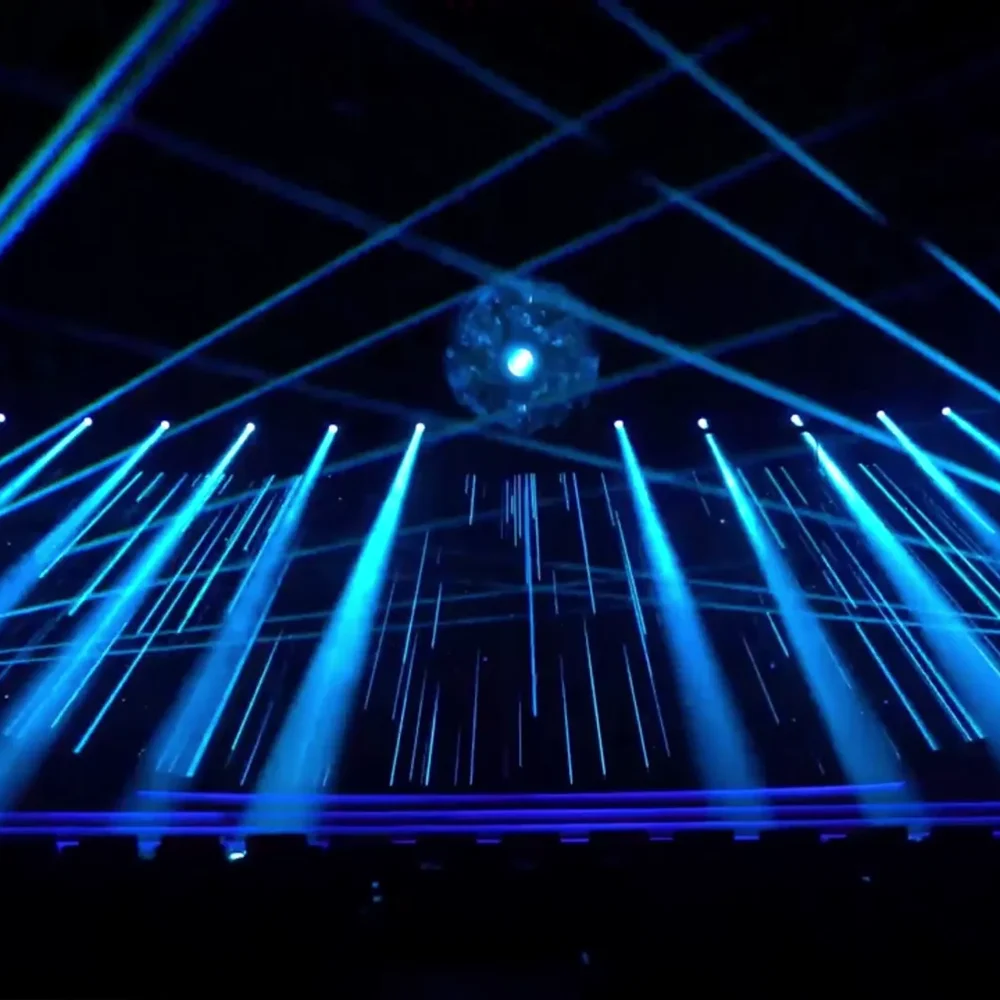
The show needed to combine laser-show, 3D mapping, and audio components, and all of the elements needed to be perfectly synchronized.
For example, there was a moment in the show when it looked like water was filling up cisterns. This required careful coordination of the content on the. 3D mapping part and the lasers choreography.
Working with talismans of the ISTANBUL
Inspired by the sacred columns of Istanbul, we used the Basilica Cistern’s vast underground space to create a visual narrative rooted in history and symbolism. Through multi-surface projection mapping, we highlighted iconic city landmarks like the Column of Constantine and the Serpent Column, honoring their spiritual significance. These ancient forms became anchors of our immersive content, connecting architectural heritage with contemporary storytelling in a powerful visual tribute.
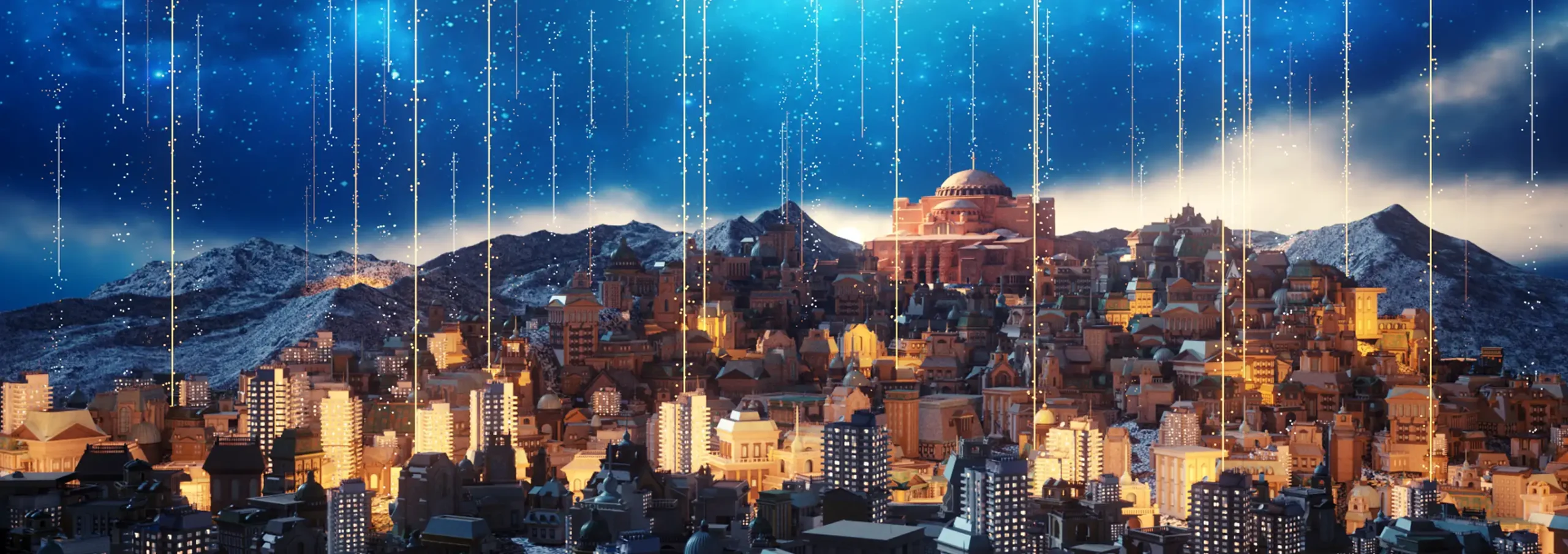
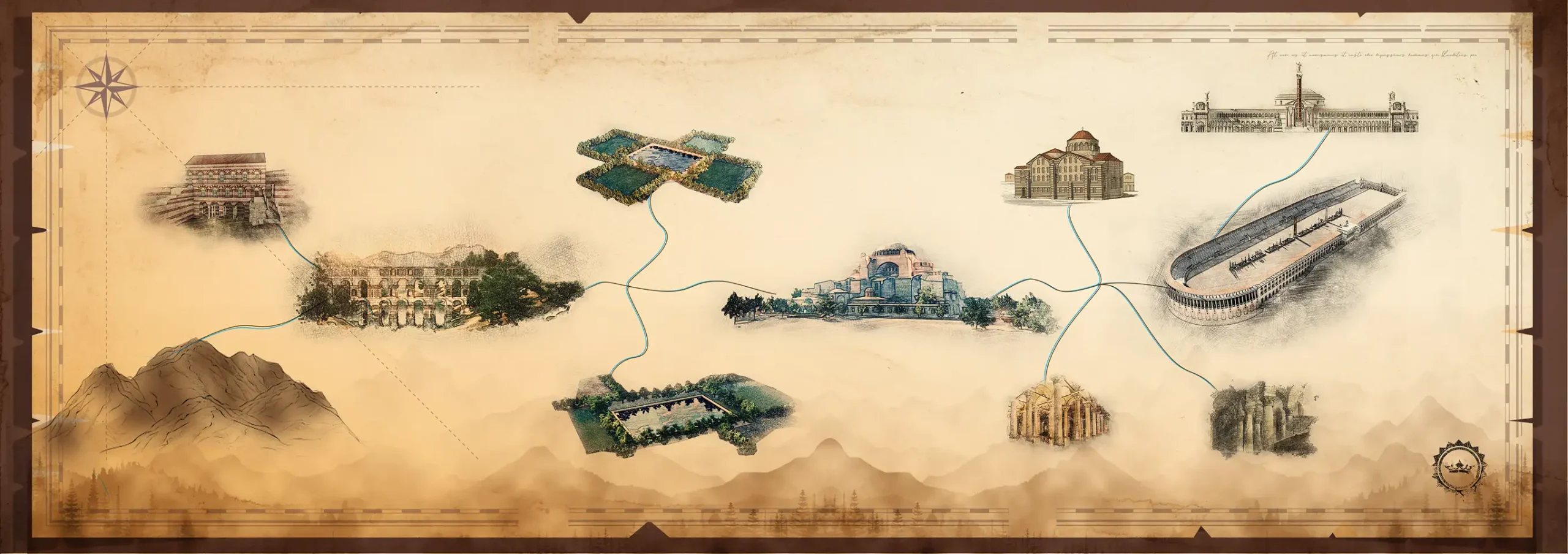
Content Storyline: From Hagia Sophia to the Myth of Argo
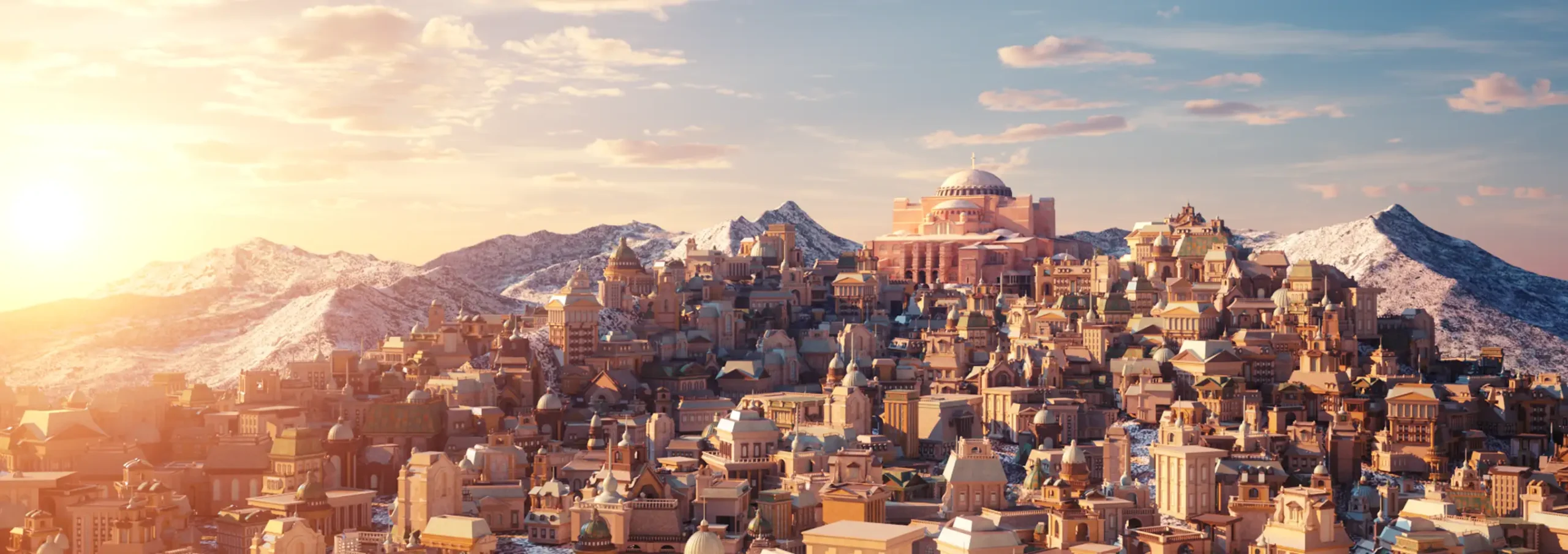
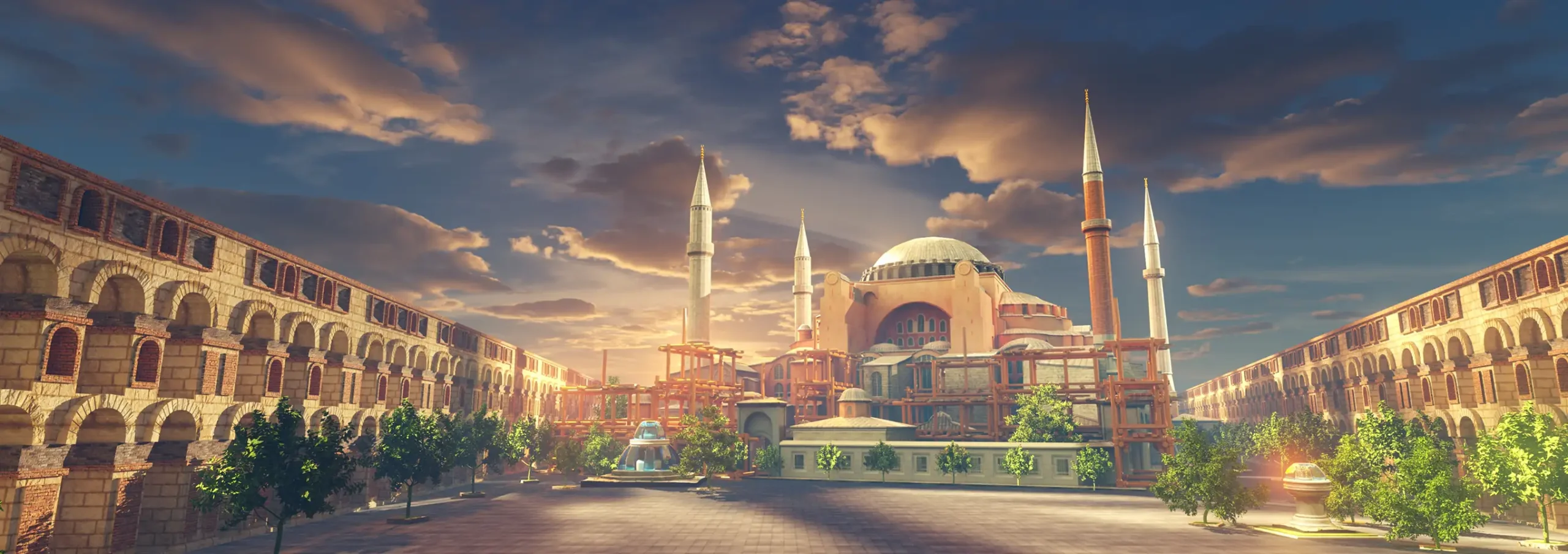
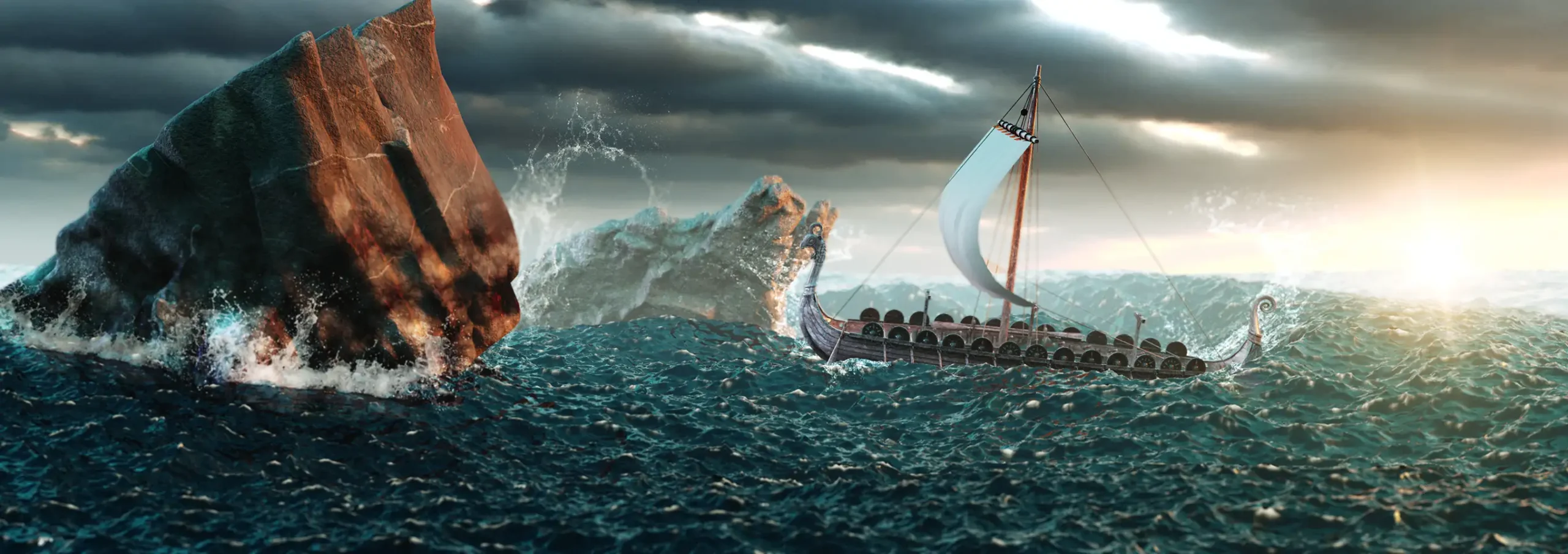
The immersive content journey began with the Hagia Sophia, a 1,500-year-old architectural icon symbolizing Istanbul’s spiritual and cultural crossroads between Europe and Asia. Through projection mapping, we explored its transformation across eras, reflecting the city’s layered identity. The narrative then shifted to the myth of the Argo ship, illustrating the legendary discovery of Anatolian lands, blending historical symbolism with mythical storytelling in a seamless visual flow.
Our pre-production concept focused on crafting a narrative that connects Istanbul’s historical landmarks with its mythological roots. The journey began with the Hagia Sophia, a 1,500-year-old monument and a spiritual beacon bridging East and West. Through architectural projection mapping and story-driven content design, we explored its evolving symbolism across cultures and centuries. The second act transitioned into the myth of the Argo ship, visualizing the legendary voyage and the symbolic discovery of Anatolian lands. This blend of historical interpretation and mythological storytelling formed the core of our immersive narrative strategy, bringing Turkey’s layered identity to life through multimedia scenography.
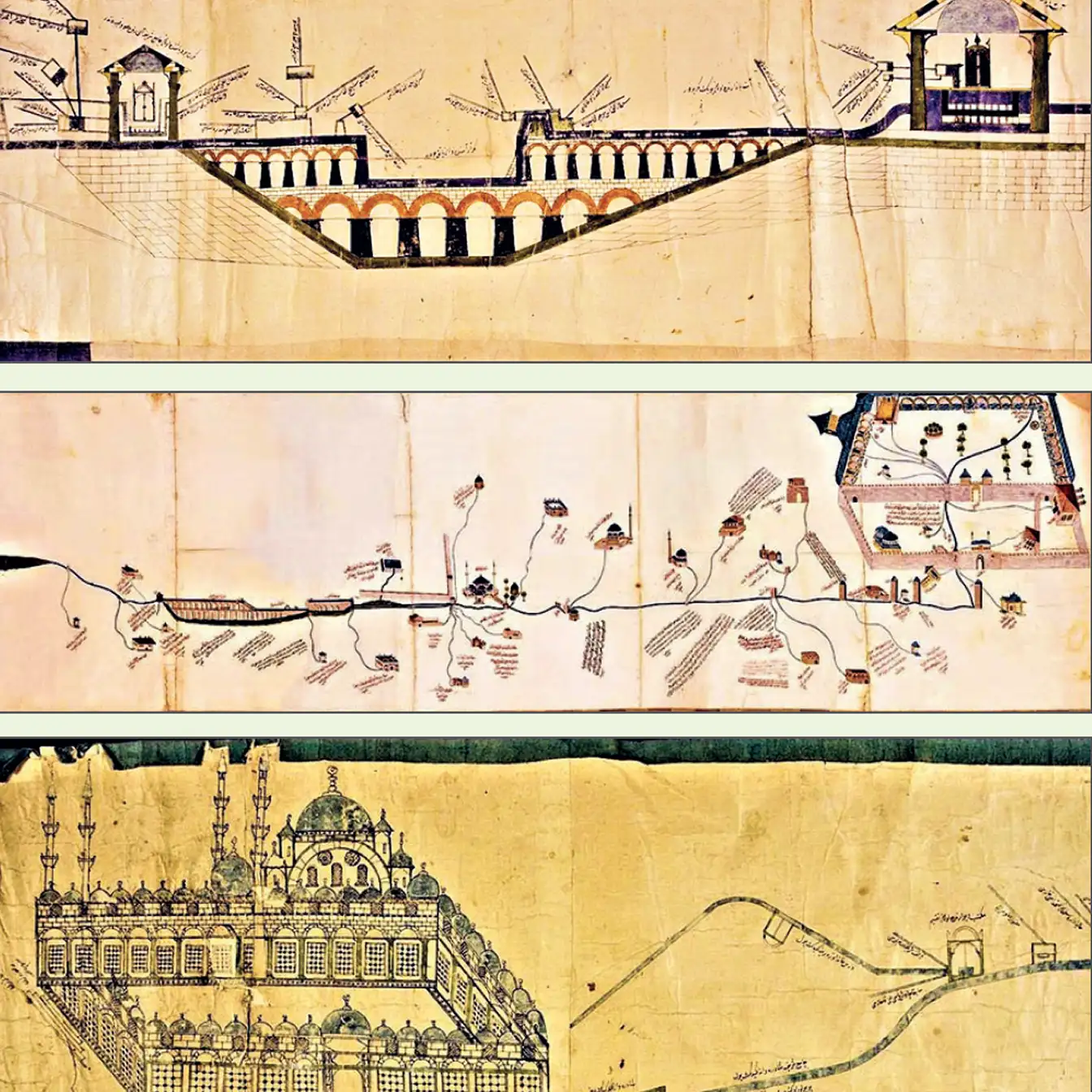
Historical Engineering Research: Reconstructing Ancient Aqueducts
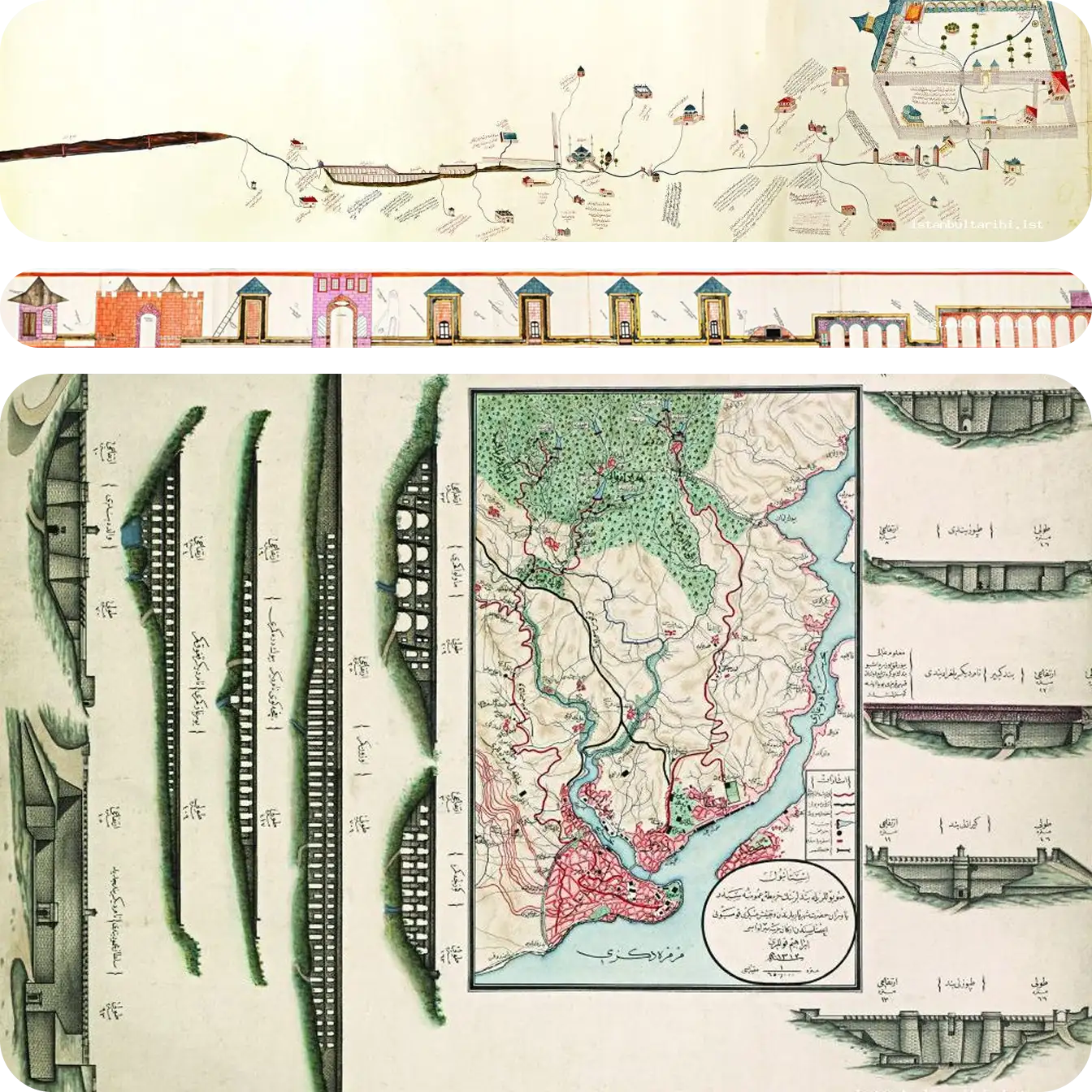
To ensure historical accuracy, we collaborated with a specialized consultant in aqueduct architecture, researching ancient water engineering systems in detail. Our team traced the original water flow routes used in Byzantine times and seamlessly integrated them into the storyline. This careful reconstruction allowed us to reflect the historical function and ingenuity of the aqueducts through immersive multimedia content, blending cultural research with architectural storytelling.
Symbolic Character Modeling: Fusing Medusa and Şahmeran in Digital Mythmaking
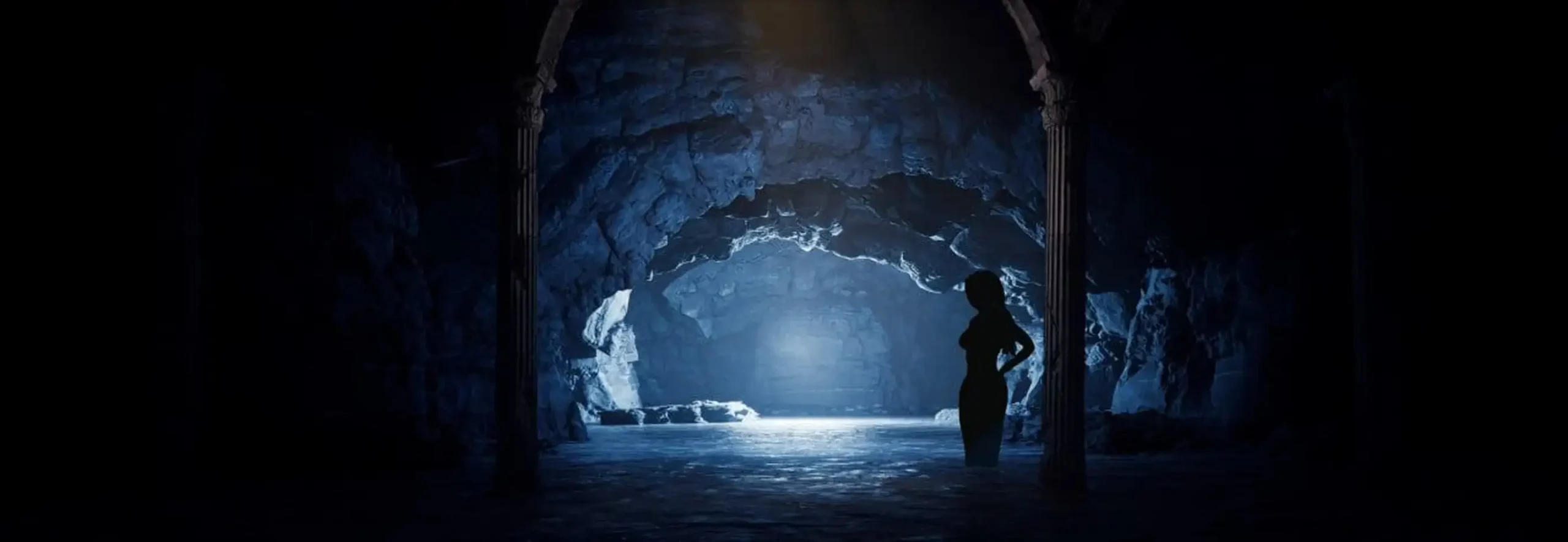
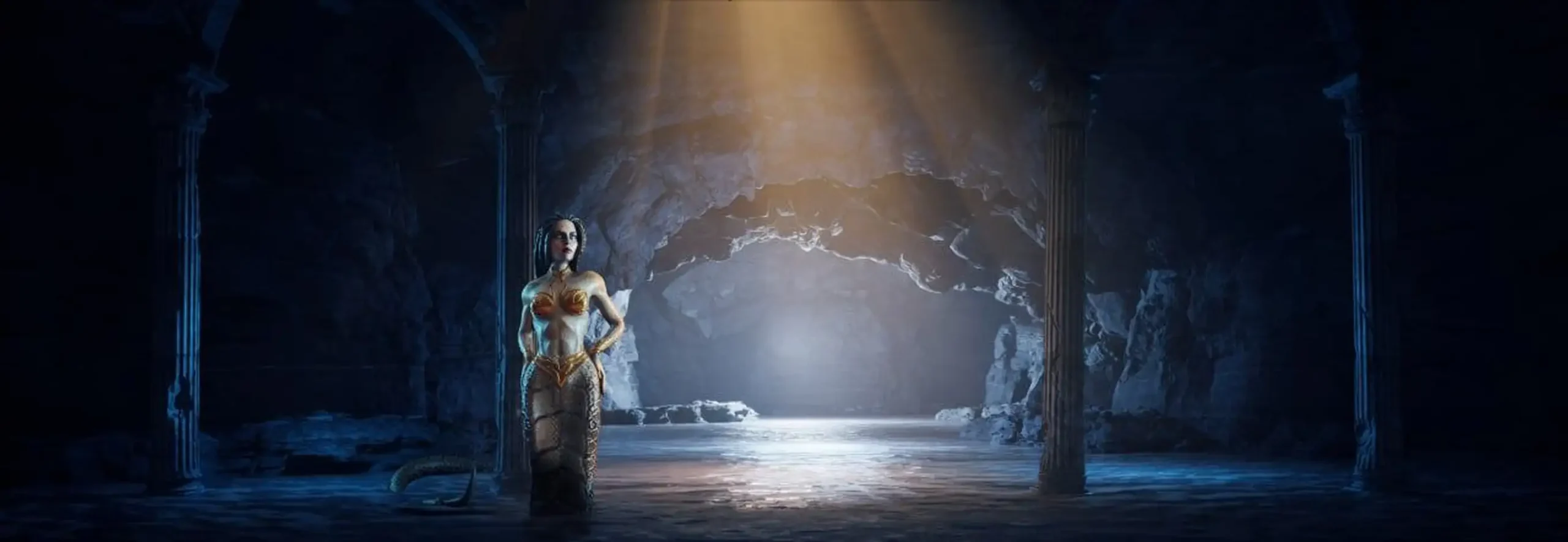
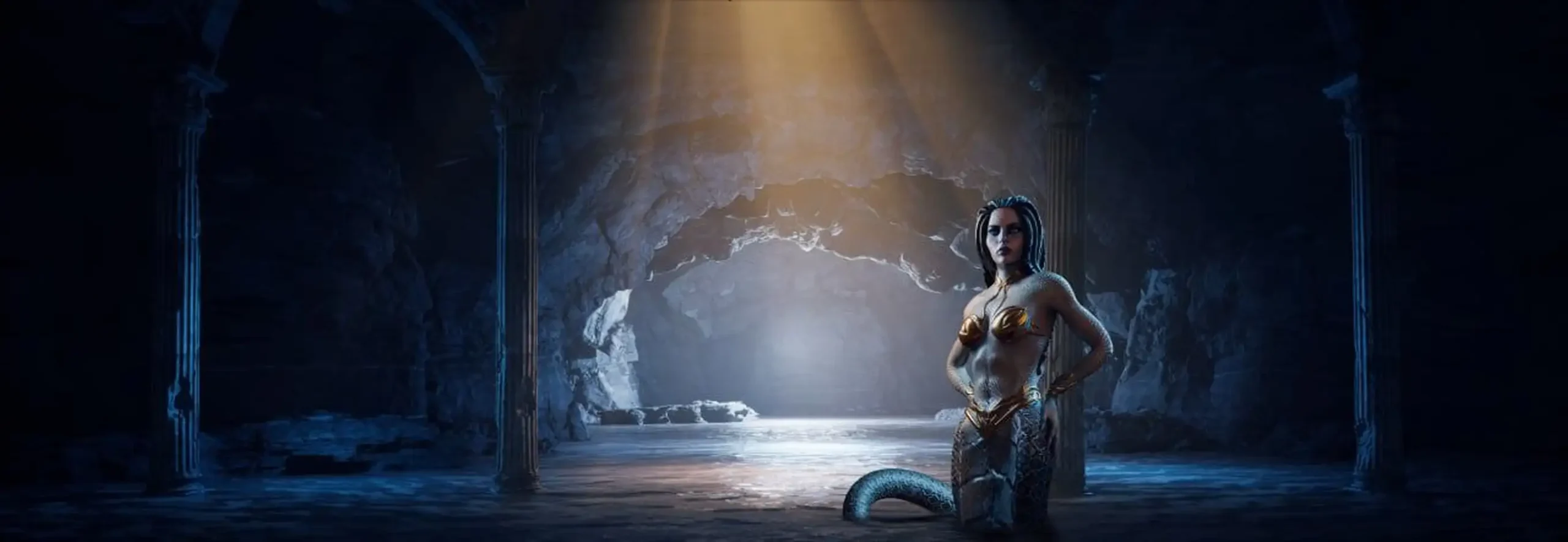
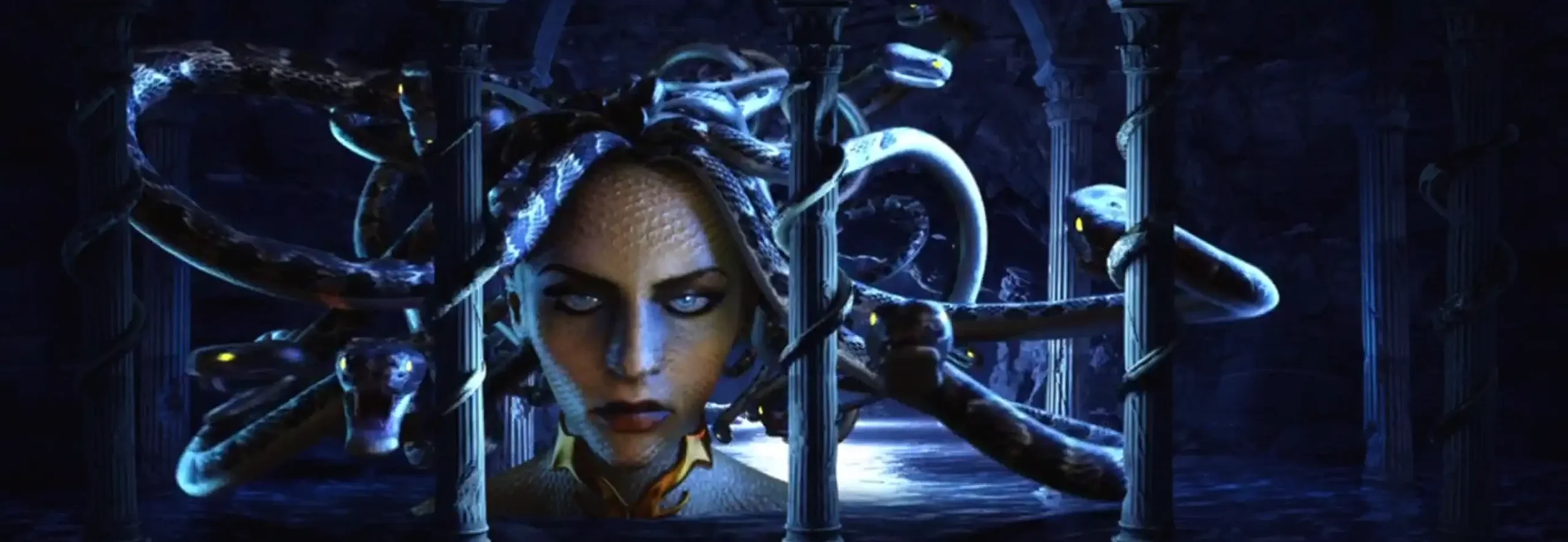
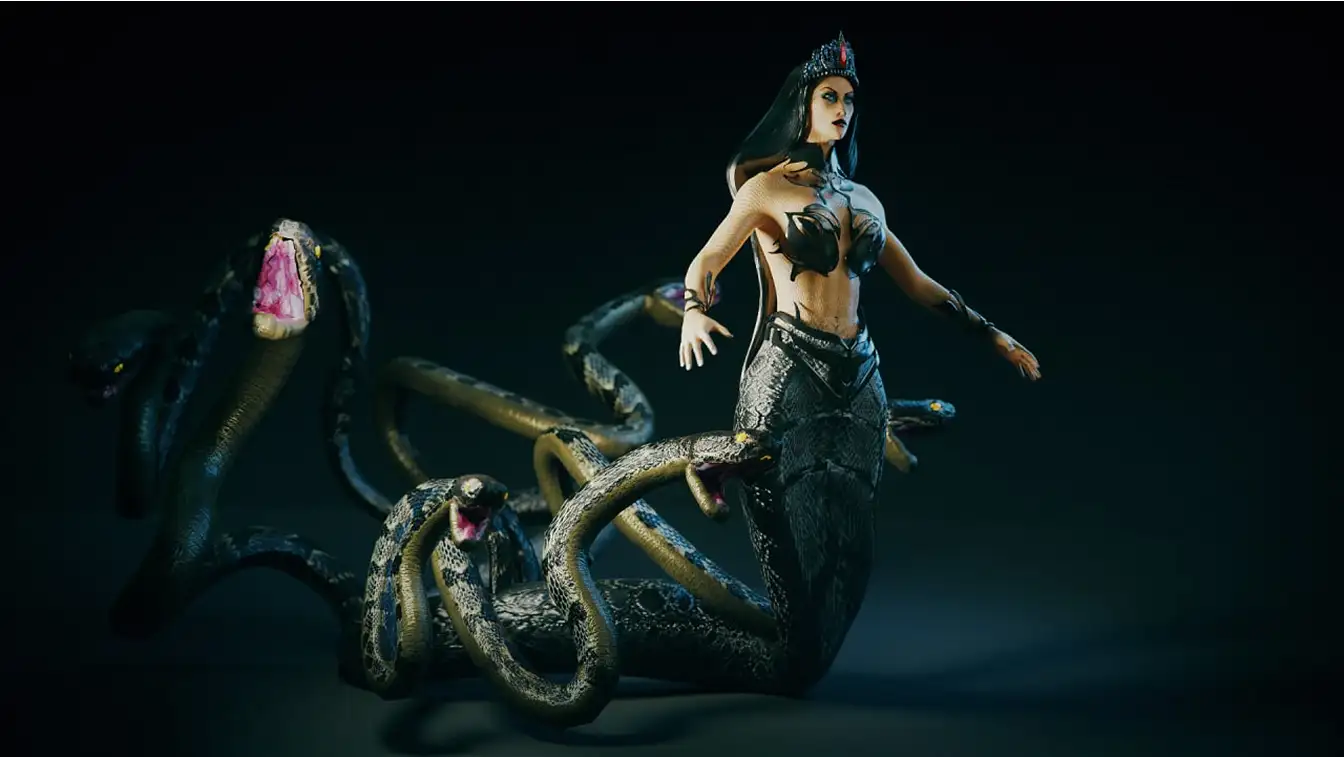
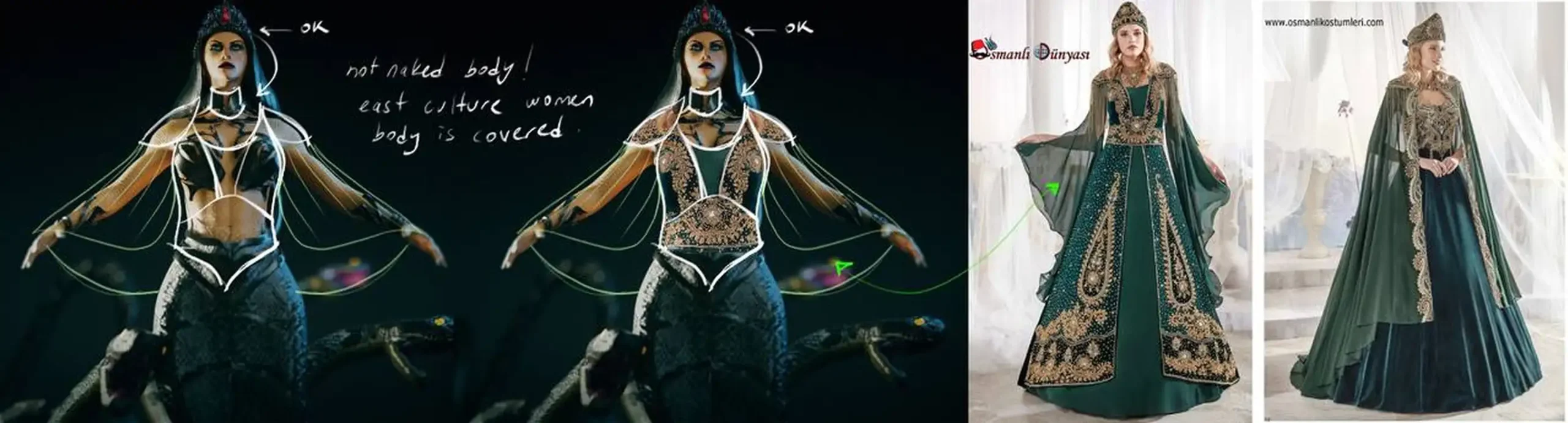
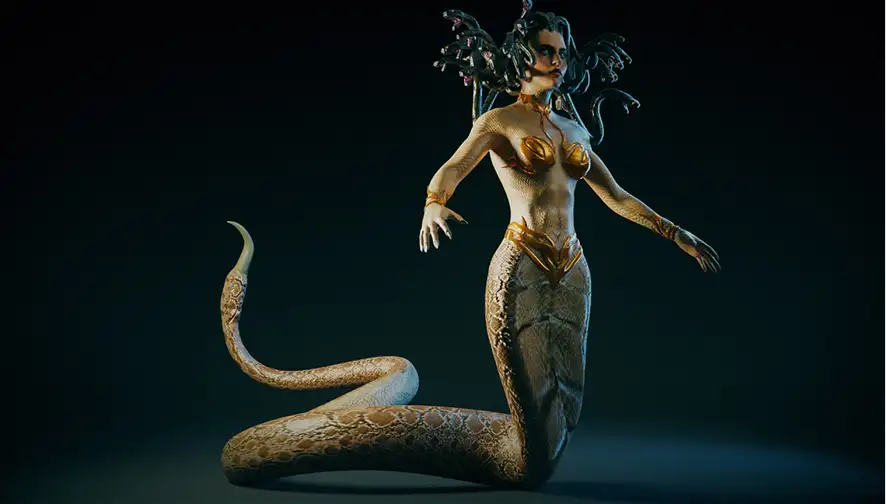
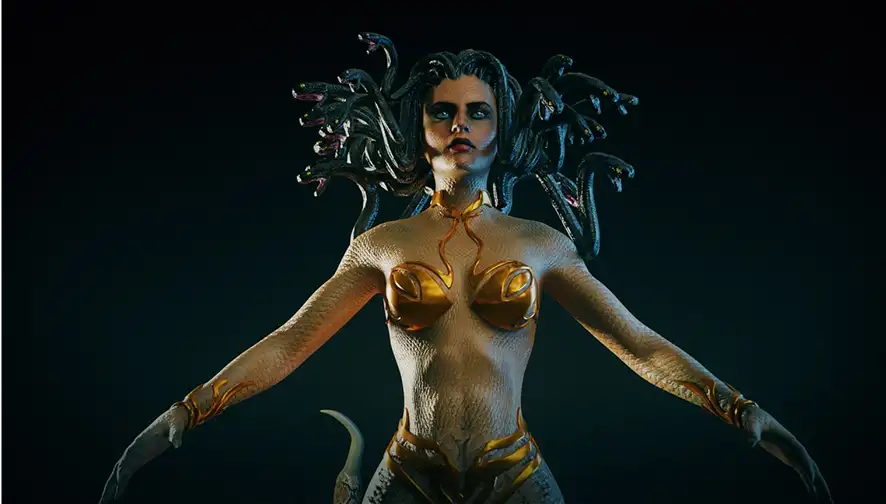
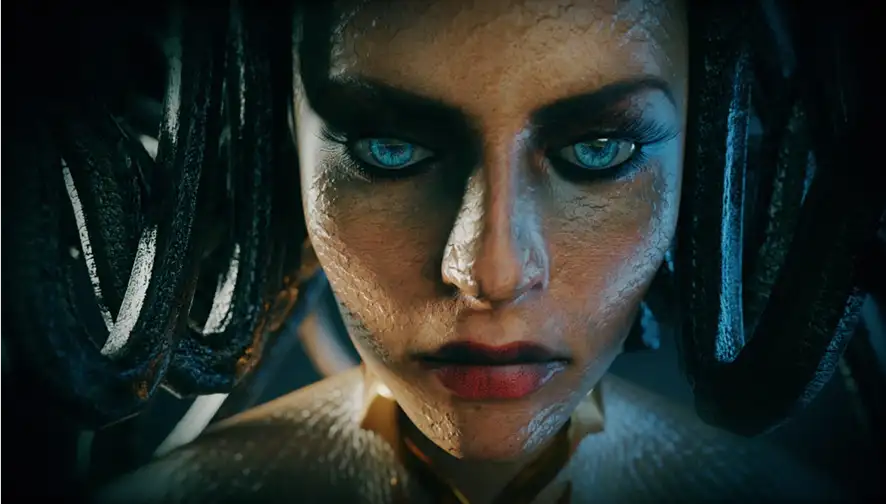
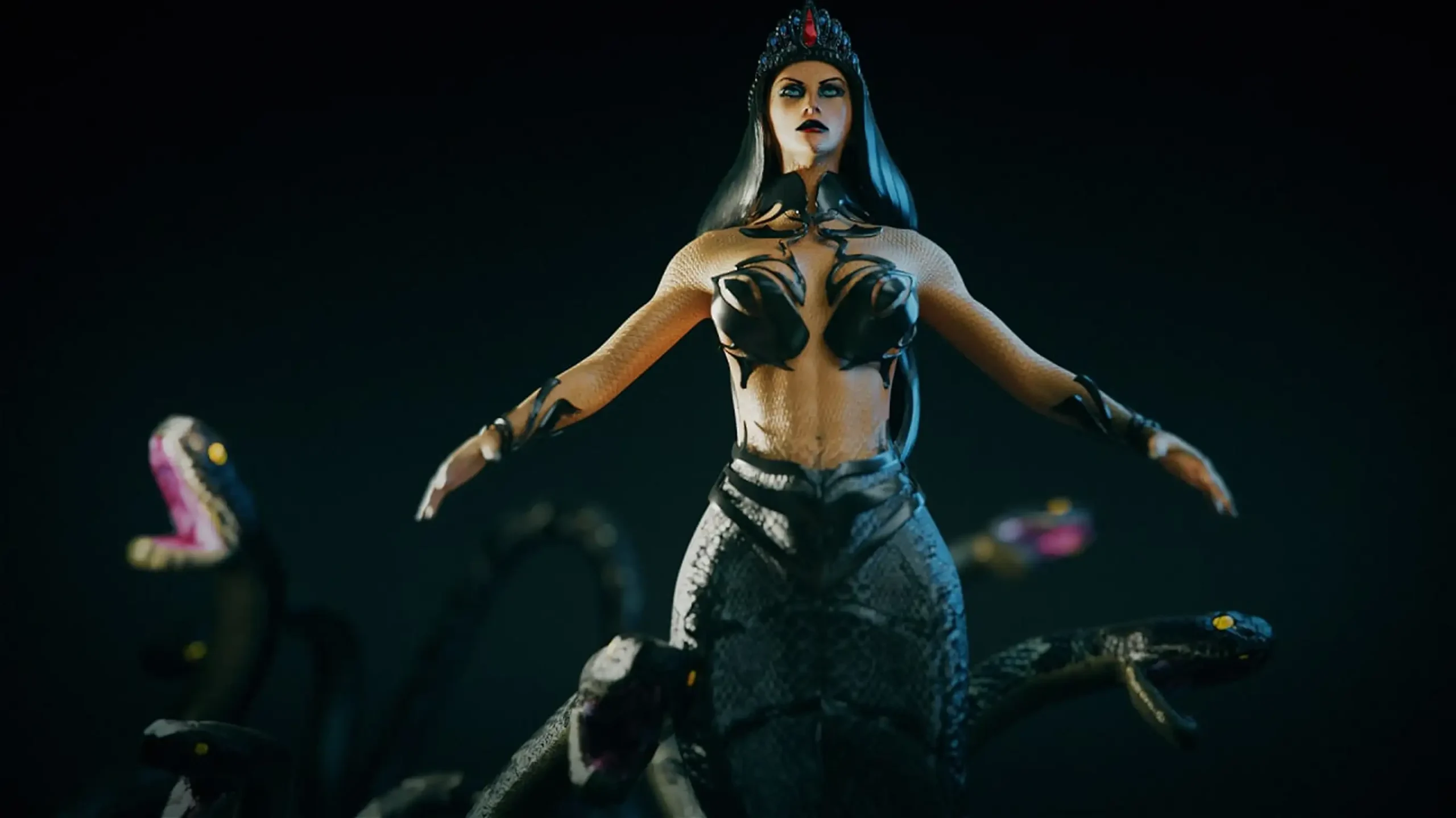
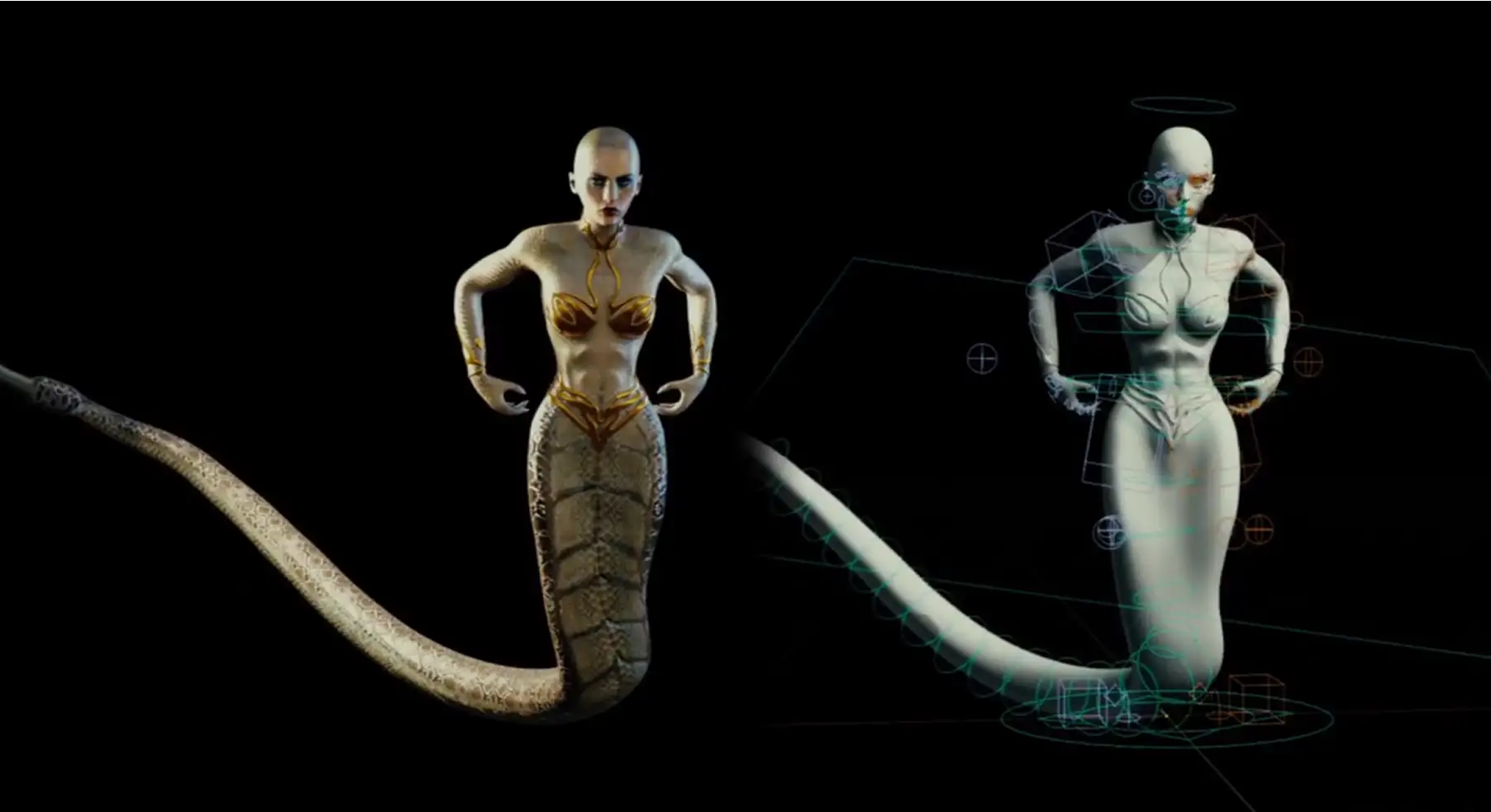
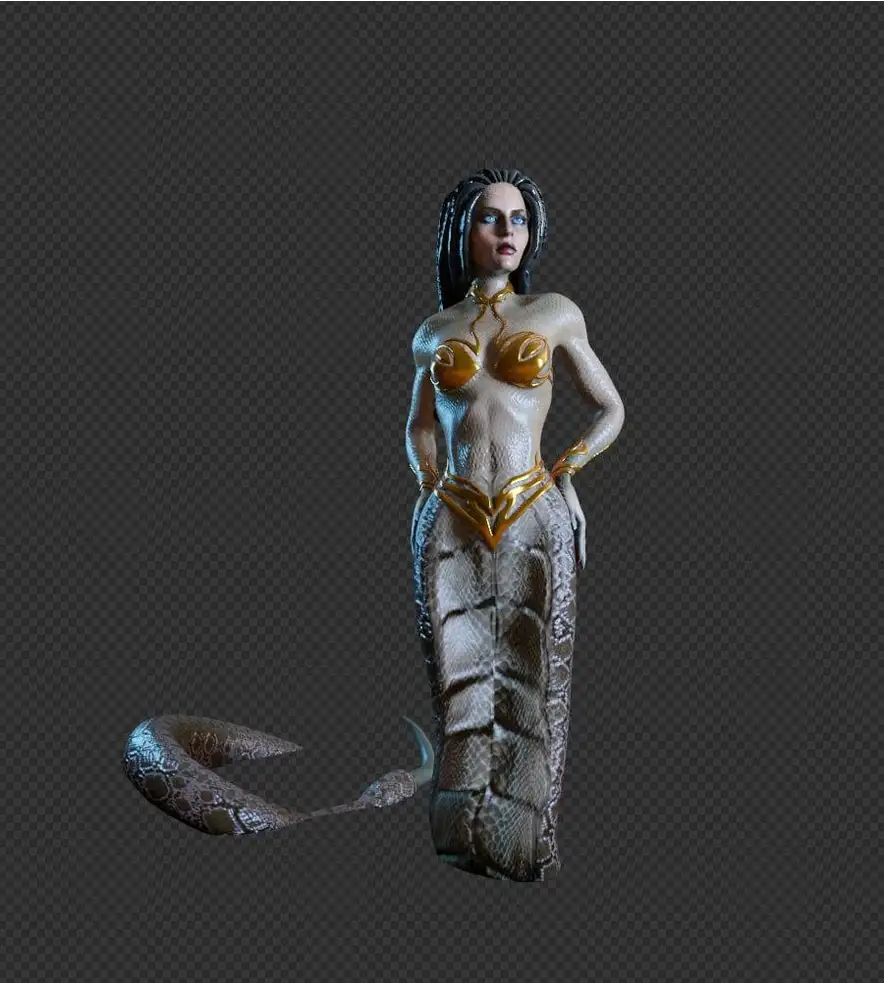
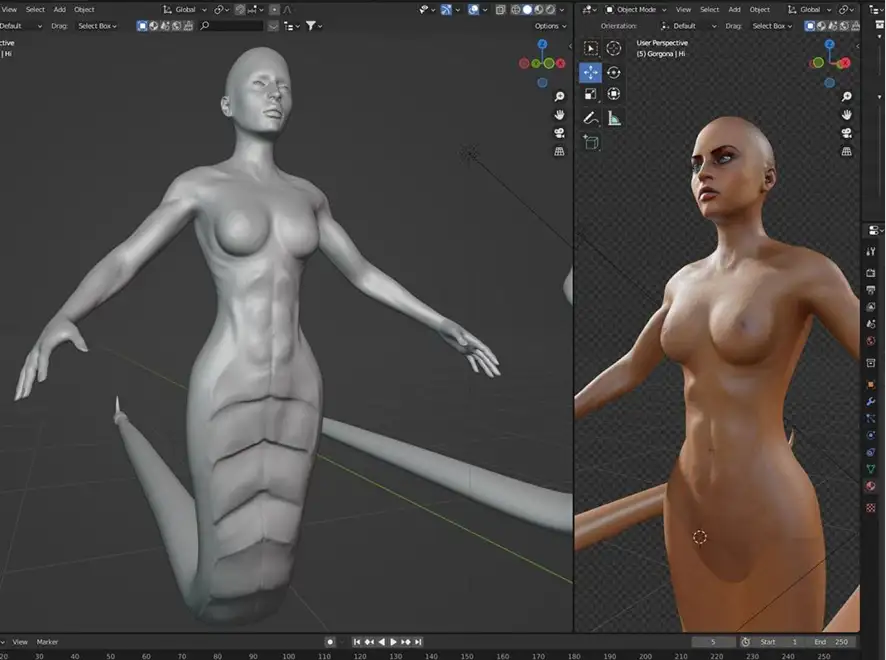
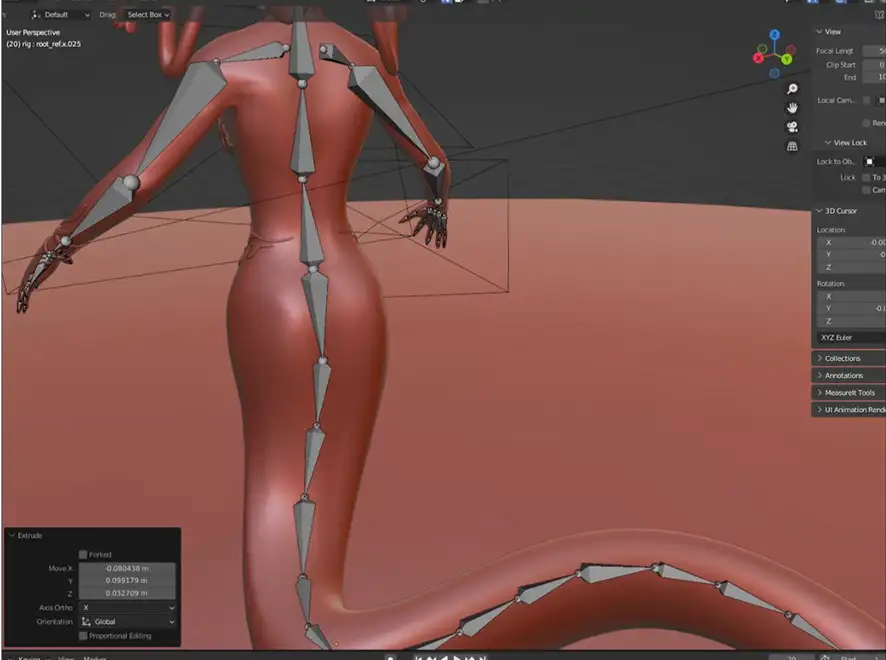
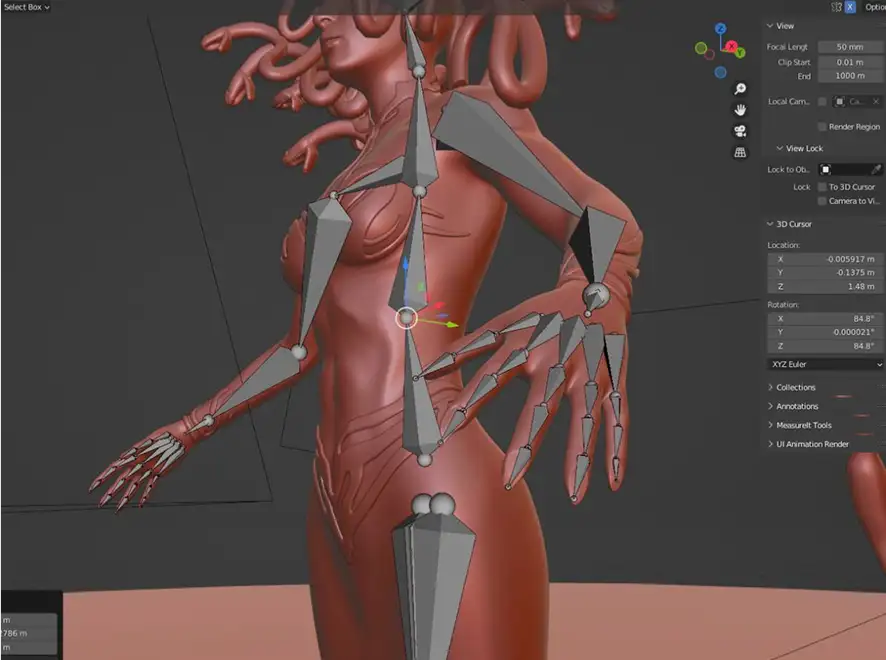
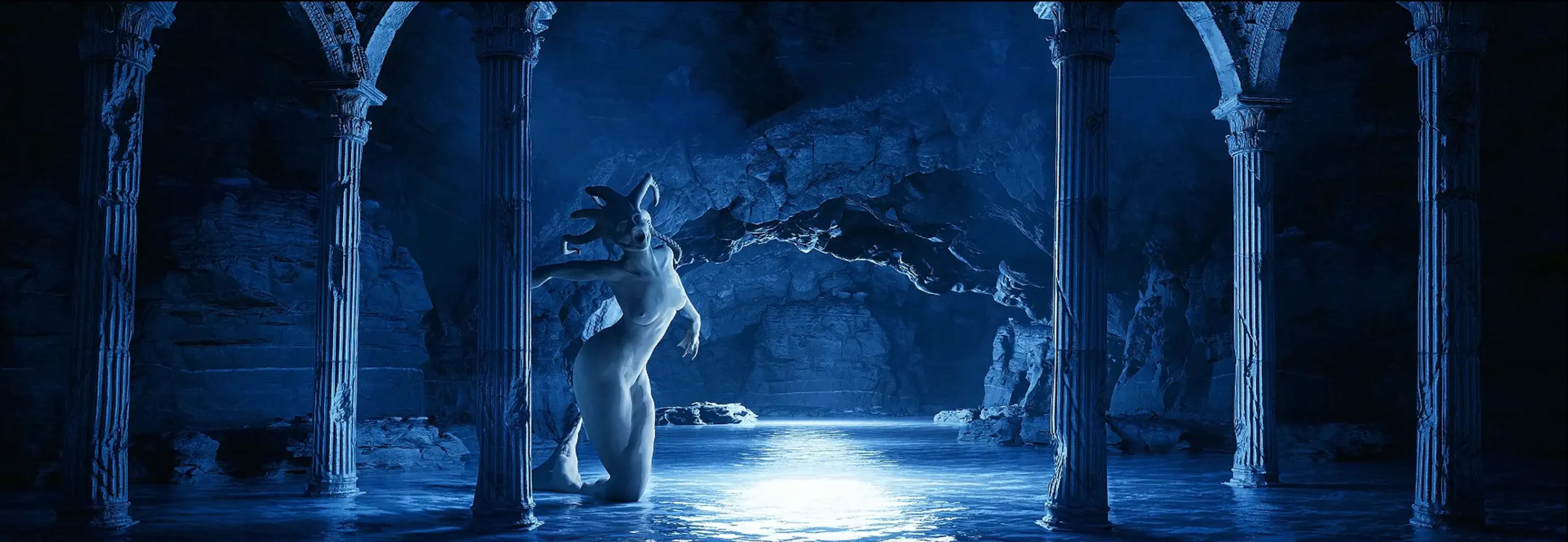
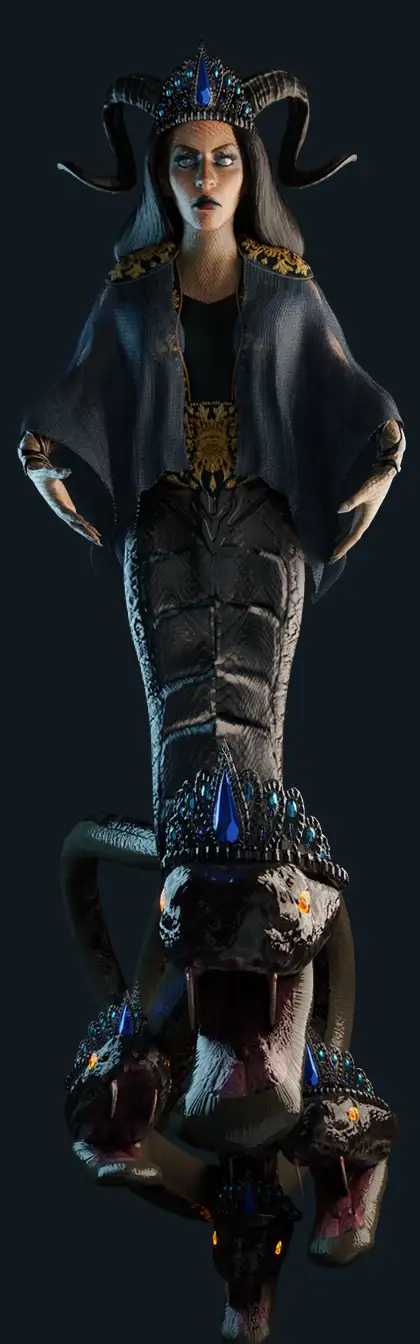
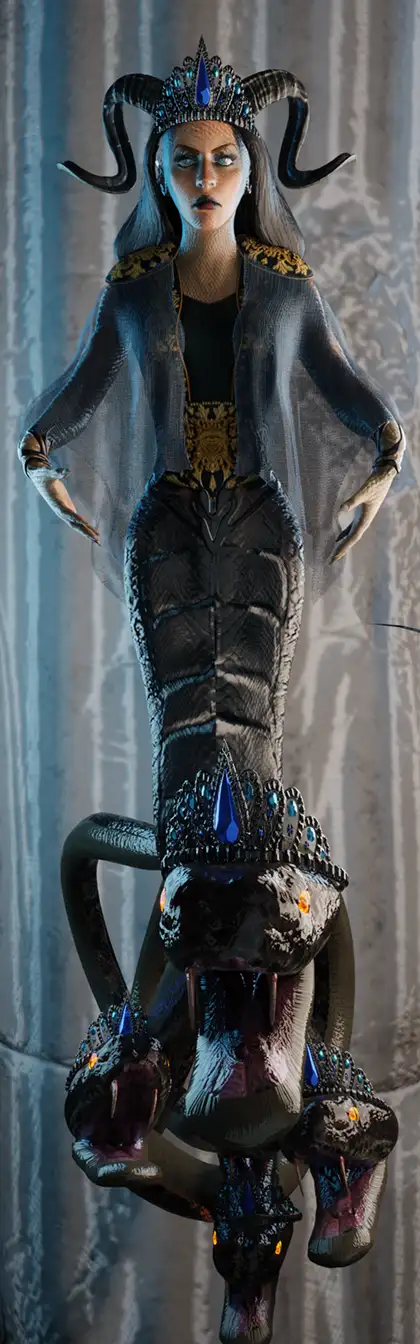
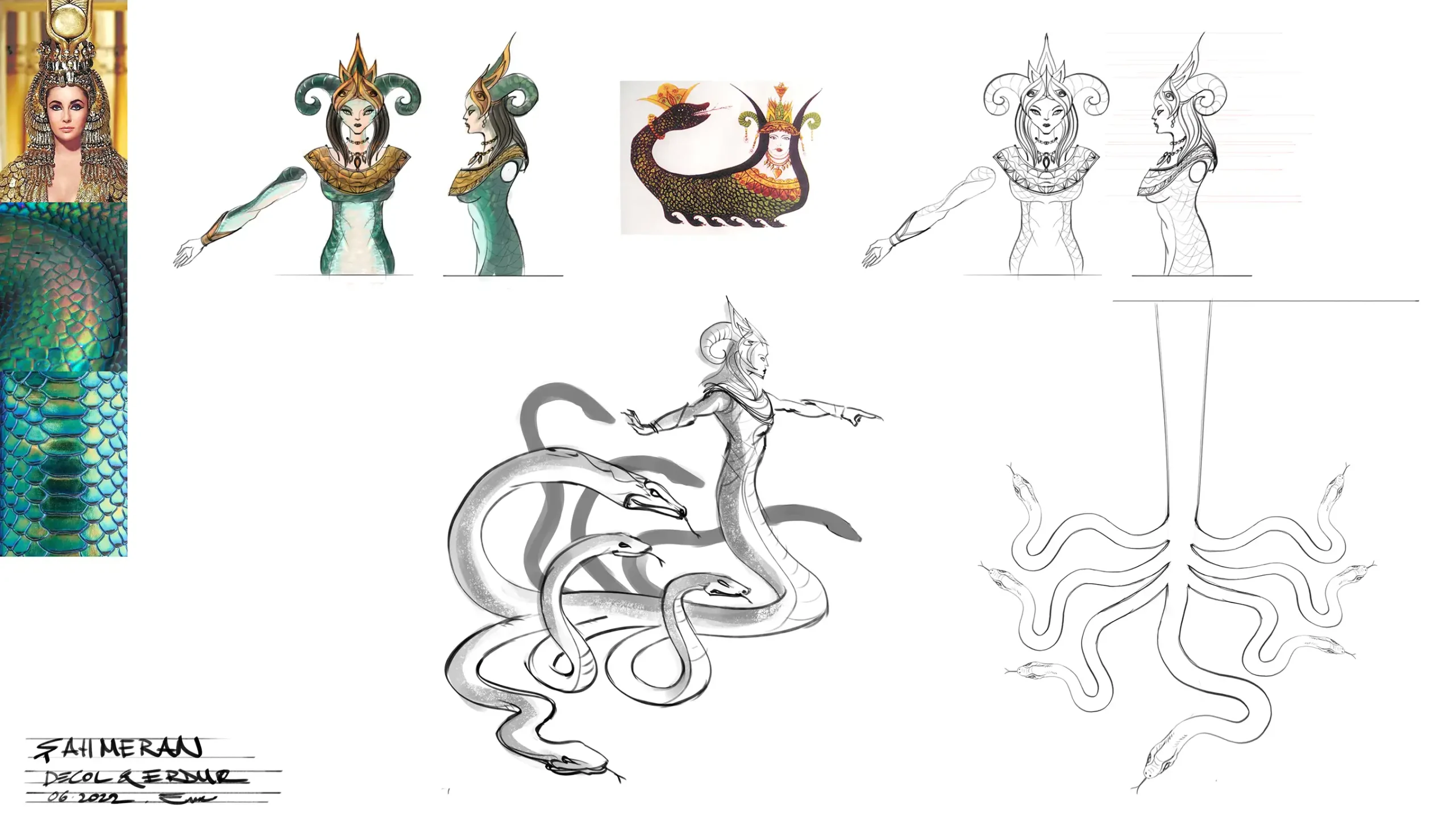
At the heart of the Basilica Cistern lies the iconic Head of Medusa, a Byzantine symbol of protection, famously placed upside down at the base of ancient columns. Drawing from both Greek mythology and Anatolian legend, we merged Medusa’s presence with the tale of Şahmeran—a half-snake, half-human figure said to have been entombed within the cistern.
Through digital character modeling and symbolic visual composition, we combined these two powerful feminine archetypes into a single, climactic moment of the show. This fusion brought ancient myth and cultural lore into a unified immersive narrative, anchoring the experience in deep-rooted regional symbolism and visual storytelling.
Development of the charecters
Result
We delivered a site-specific, immersive multimedia show inside Istanbul’s Basilica Cistern, combining 3D projection mapping, laser choreography, and sound design. Through historical research, mythological storytelling, and multi-surface content production, we reimagined the cistern’s architecture as a living canvas, bridging cultural heritage and digital art.
Have a cool project?
Inspired? Yours could be next.
Tell us your vision — we'll bring it to life with passion, precision, and creativity.